Your baby is no longer content staring at the inside of a fabric canopy. They are craning their necks, trying to catch a glimpse of the trees, cars, and people passing by. This restlessness is the first sign that the flat, cozy world of the bassinet is becoming a limitation rather than a comfort. Transitioning to a toddler seat is a major milestone that opens up a new world of visual stimulation for your child. This guide explains how to navigate you on how to convert your stroller bassinet to to toddler seat safely while maximizing the view for your little one.
Table of Contents
Recognizing the Right Time for the Switch
Most parents wonder about the specific age for this change. While the general recommendation is around six months, age is a secondary metric. The primary indicators are physical development and curiosity. In 2026, pediatric guidelines emphasize that your baby must have consistent neck and upper body control before moving out of the bassinet.
If your child can sit up unassisted for at least ten seconds, they are likely ready. Another sign is weight. Most bassinets have a lower weight limit than the stroller frame itself, often capping out around 20 pounds. Once your baby nears this limit or starts to push themselves up on their hands and knees, the bassinet becomes a fall hazard. A toddler seat provides the harness system needed to keep an active, mobile baby secure.
Safety Prerequisites Before You Begin
Before you remove the bassinet, inspect the stroller frame for any signs of wear. Since you are moving to a configuration that supports more weight and movement, the integrity of the joints is paramount. If you have been using the stroller heavily, you should learn how to clean a compact stroller frame and fabric to ensure no grit or salt from the sidewalk is interfering with the locking mechanisms.
Check the following safety points:
Step-by-Step Conversion for Modular Stroller Systems
Modular systems are common in premium 2026 stroller models. These involve two separate attachments: a dedicated bassinet and a dedicated seat unit.
1. Remove the Bassinet: Locate the release buttons on the sides of the stroller frame. Most brands use memory buttons that allow you to press one side at a time. Lift the bassinet straight up and away from the frame.
2. Align the Seat Adapters: Some strollers require different adapters for the seat than they do for the bassinet. Ensure the correct adapters are slid into the tracks until they lock.
3. Position the Seat: Hold the toddler seat over the frame. You can choose to face it toward you or toward the world. Lower it into the adapters until you hear a clear click on both sides.
4. Test the Connection: Give the seat a firm upward tug. It should not budge.
5. Adjust the Footrest: Toddler seats usually have an adjustable footrest. For a baby just transitioning, keep the footrest in the horizontal position to support their legs as they adjust to sitting upright.
Converting 2-in-1 Fabric Bassinet Seats
Budget-friendly or travel-centric strollers often use a single frame that converts from a bassinet to a seat using a series of straps and buckles. This is a common design for families who need to save space in urban apartments.
To convert these, you usually reach underneath the bassinet fabric and find the heavy-duty buckles. By clipping these buckles together, you pull the fabric taut, creating a “V” or “L” shape that forms the seat. You then adjust a drawstring or a mechanical lever at the back of the seat to bring the backrest into an upright position.
When using this method, ensure the fabric is centered. If the buckles are tightened unevenly, the seat will tilt to one side, which can affect the stroller’s center of gravity and your child’s comfort. Double-check that the safety harness is pulled through the correct slots in the fabric before placing your child inside.
Optimizing the Seat Angle for Maximum Visibility
The main reason for this transition is visibility. In a bassinet, the baby’s view is limited to the sky or the interior of the canopy. In a toddler seat, they gain a 180-degree view of their environment. However, many parents make the mistake of putting the seat in the most upright position immediately.
For the first few weeks, use a slight recline. This allows the baby to see more than they could in the bassinet without putting too much strain on their developing spine. As their core strength improves, move the seat to the fully upright position. High-seat strollers are particularly popular in 2026 because they keep the baby above the level of car exhaust and closer to the parent’s eye level, facilitating better communication and a better view of the world.
Parent Facing vs. World Facing Configurations
Visibility isn’t just about the child seeing the world; it’s also about the child seeing you. Developmental psychologists suggest that the “parent-facing” mode is beneficial for younger infants (6 to 9 months) because it provides a sense of security. Seeing your face helps them process the new sights and sounds they encounter.
Once your child reaches 10 to 12 months, their curiosity usually outweighs their need for constant visual contact with you. Switching to “world-facing” mode provides the best visibility for them. It allows them to track moving objects and engage with their environment more directly.
Comparison of Bassinet and Toddler Seat Features
| Feature | Stroller Bassinet | Toddler Seat |
|---|---|---|
| Recommended Age | Birth to 6 Months | 6 Months to 4+ Years |
| Sleeping Position | Lie-flat (Safe for long naps) | Reclined (Short naps only) |
| Safety System | High side walls, no harness | 5-point safety harness |
| Visual Range | Limited (Vertical view) | Extensive (Panoramic view) |
| Spinal Support | Total flat support | Upright ergonomic support |
| Storage | Bulky, often non-folding | Usually folds with the frame |
Maintaining Your Stroller Hardware During the Transition
Switching components is the best time to perform maintenance. When the frame is empty, check the mounting points for hair, dust, or debris. Use a damp cloth to wipe down the connection points. This ensures that the toddler seat locks in smoothly every time.
If you find that the release buttons are sticking, avoid using heavy oils. Instead, use a silicone-based lubricant that won’t attract more dirt. Keeping these parts clean ensures that you can easily switch the seat orientation if your baby gets overstimulated and needs to face you for a while.
Weather Protection for the New Seat Setup
A toddler seat sits higher and is more exposed to the elements than a bassinet. The canopy that provided ample shade for a lying baby might not cover the legs of a sitting toddler. You will need to adjust your accessories to match the new configuration.
Rain covers for toddler seats are shaped differently than those for bassinets. You should learn how to attach a universal stroller rain cover to keep your baby dry in storms. These covers are designed to accommodate the footrest and the upright backrest, ensuring that visibility remains high even when it is pouring outside. Modern 2026 covers often feature anti-fog technology, so your child can still enjoy the view without the plastic clouding up from their breath.
Frequently Asked Questions
Can a baby sleep in a toddler seat safely?
While toddler seats recline, they are not recommended for unsupervised overnight sleep like a bassinet is; they are designed for short naps while on the go. Always ensure the seat is reclined to the maximum safe angle to prevent the baby’s head from falling forward.
When should I switch from parent-facing to world-facing?
Most parents make the switch around 9 to 12 months when the child shows more interest in the environment than in maintaining constant eye contact. If your baby becomes fussy or anxious, you can easily flip the seat back to parent-facing mode.
Is a 5-point harness necessary for the toddler seat?
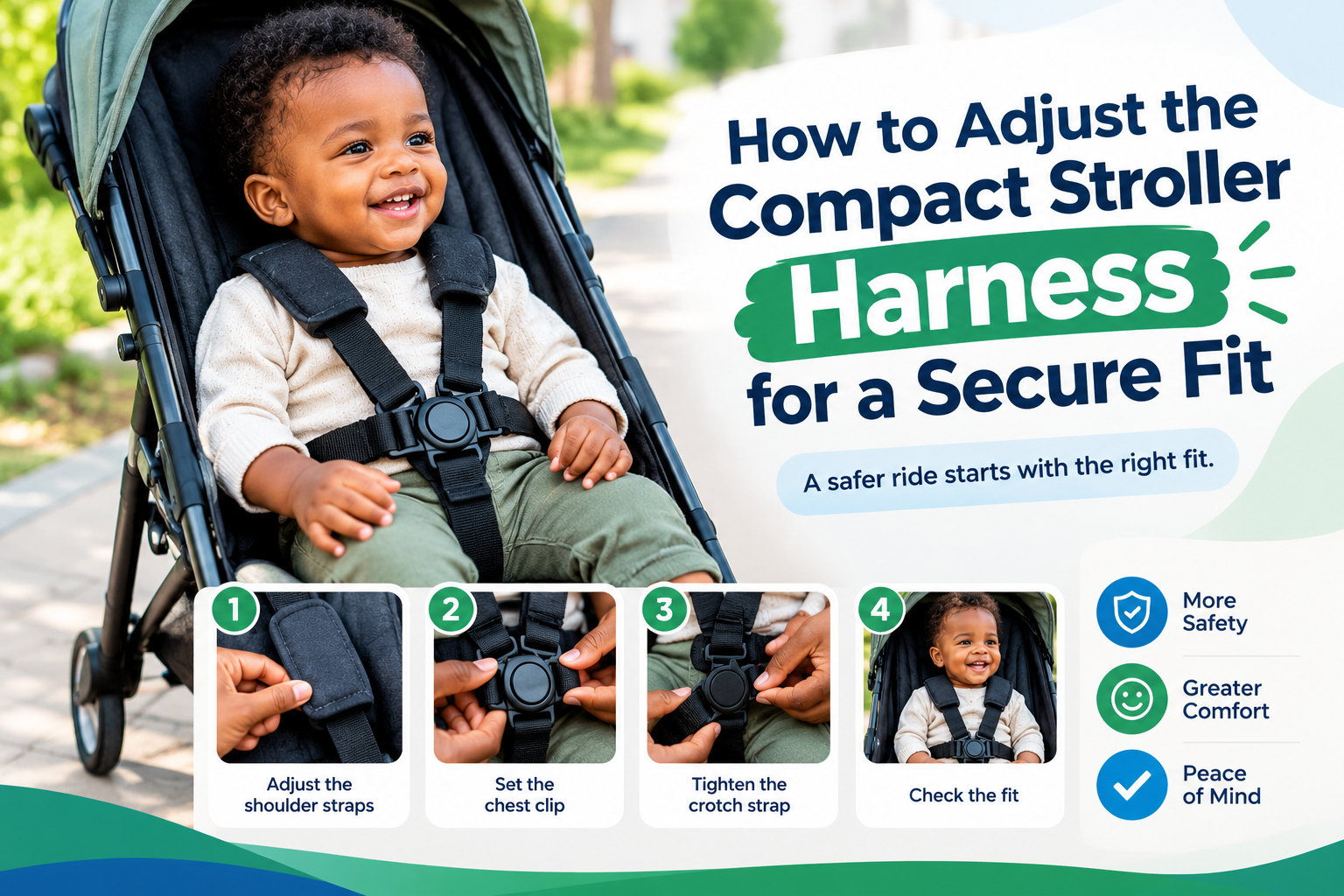
Yes, a 5-point harness is the gold standard for safety as it secures the child at the shoulders and hips, preventing them from sliding out or leaning too far forward. Always buckle all five points, even for short walks.
Does the toddler seat affect the stroller’s fold?
In many modern modular systems, the frame can fold with the toddler seat attached, whereas the bassinet usually must be removed first. Always check your specific manual to see if the seat needs to be in a certain orientation (usually world-facing) to fold correctly.
Transitioning from a bassinet to a toddler seat is an exciting shift for both you and your baby. It marks the beginning of more interactive outings and a higher level of engagement with the world. By following these steps and prioritizing safety, you ensure that your child is comfortable and secure while they enjoy their new, improved view. For more tips on keeping your gear in top shape, check out our latest guides on stroller maintenance and accessory selection.


Leave a Reply