A stroller is often the most expensive piece of gear a parent buys, yet it survives some of the harshest conditions imaginable. From spilled milk and crushed crackers to mud, salt, and city grime, your compact stroller takes a beating every time you leave the house. Letting dirt sit doesn’t just look bad; it leads to mechanical failure, mold growth, and a significant drop in resale value. This guide provides a professional-grade maintenance routine to keep your stroller in showroom condition for years.
Tabla de contenido
The Pre-Cleaning Checklist
Before you start scrubbing, you need to understand what you are working with. Modern compact strollers often use high-tech materials like recycled ocean plastics, carbon fiber, or anodized aluminum.
1. Consult the Manual: Always check the manufacturer’s tag. Some fabrics are treated with eco-friendly flame retardants or UV-protective coatings that can be stripped away by harsh chemicals. Check if the seat fabric is machine washable or hand-wash only.
2. Clear the Debris: Use a handheld vacuum or the crevice tool on your home vacuum to remove crumbs from the deep corners of the seat and the storage basket. This prevents you from rubbing grit into the fabric during the wet cleaning phase.
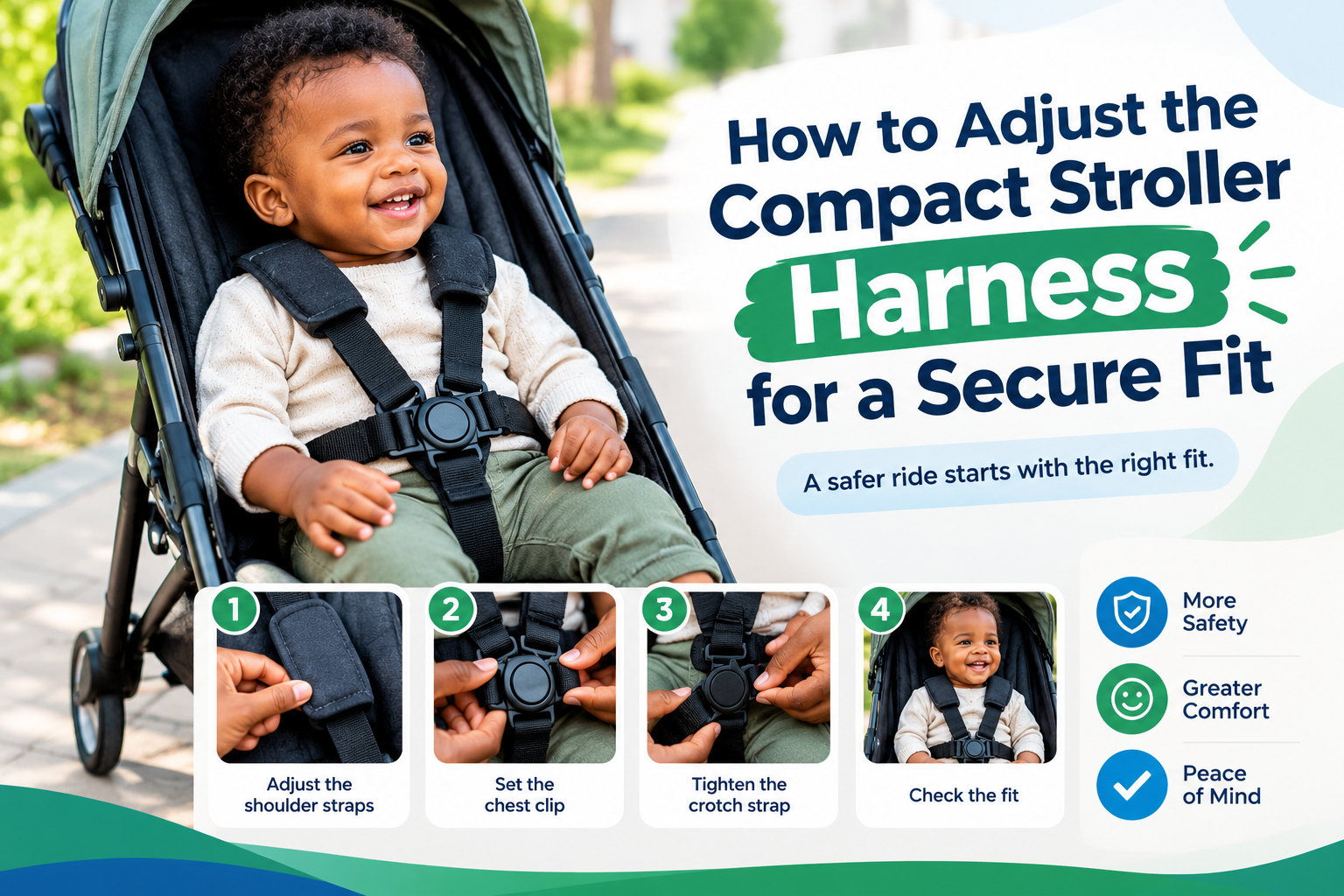
3. Inspect for Damage: While the stroller is dry, check for loose screws, frayed harness straps, or cracks in the frame. It is easier to spot these issues before the stroller is covered in soap suds.
Safe Cleaning Supplies for 2026 Baby Gear
By 2026, many parents have moved away from traditional bleach-based cleaners in favor of probiotic or enzyme-based solutions that are safer for babies and the environment.
How to Clean Compact Stroller Fabrics
Compact strollers usually have tighter, more integrated fabric systems to allow for that small fold. This can make removal tricky.
Removable Seat Liners and Canopies
If your stroller allows for full fabric removal, machine washing on a delicate cycle is the most thorough option. Use a “free and clear” detergent. Never put stroller fabrics in the dryer. The high heat can shrink the material, making it impossible to reattach to the frame, and it can damage the internal plastic stiffeners in the canopy.
Non-Removable Fabric Care
For strollers where the fabric is riveted to the frame, you must perform a localized deep clean:
1. Dampen the surface: Use a spray bottle with warm water and a small amount of mild soap.
2. Agitate gently: Use your soft brush in circular motions. Focus on the area where the child’s legs rest and the headrest, as these collect the most sweat and skin oils.
3. Rinse thoroughly: Use a clean, damp microfiber cloth to “rinse” the soap away. Repeat this until no bubbles appear when you press on the fabric.
Removing Stubborn Stains and Odors
Standard soap won’t always cut it for the heavy-duty messes parents face.
Maintaining the Stroller Frame and Chassis
The frame is the backbone of your gear. Urban environments expose frames to salt (in winter) and coastal air, both of which cause oxidation.
Cleaning Anodized Aluminum and Carbon Fiber
Most premium compact strollers use anodized aluminum because it is lightweight and rust-resistant. However, it can still pit and dull. Wipe the frame down with a damp cloth to remove grit. If the frame has lost its luster, a specialized aluminum polish can be used, but ensure you keep it away from any plastic joints.
Caring for Plastic Joints and Folding Mechanisms
This is where most compact strollers fail. Sand and grit get into the folding hinges, causing a “crunchy” feel or making it hard to lock the stroller.
1. Blast with air: Use a can of compressed air to blow out debris from the hinges.
2. Avoid WD-40: Standard WD-40 is a degreaser, not a long-term lubricant, and it actually attracts dust. Instead, use a dry silicone spray. This creates a slick surface that repels dirt, keeping the fold smooth and effortless.
Wheel and Brake Maintenance for Smooth Performance
If your stroller feels heavy or pulls to one side, the problem is likely in the wheels.
1. Remove the Wheels: Most modern compact strollers have quick-release buttons for the wheels. Pop them off.
2. Clean the Axles: Hair and thread are the enemies of stroller axles. Use a pair of tweezers or scissors to cut away any hair wrapped around the wheel pins.
3. Wipe the Bearings: Use a dry cloth to clean the metal bearings.
4. Lubricate: Apply a drop of silicone lubricant to the axle before snapping the wheels back into place.
5. Brake Check: Dust often settles in the brake teeth. Use a stiff brush to clear out any dried mud so the brake pin can engage fully and safely.
Cleaning Integrated Smart Sensors and Electronics
In 2026, many high-end compact strollers feature integrated LED lights, USB charging ports, or even folding sensors. These require specialized care.
Comparison of Cleaning Methods
| Method | Best For | Pros | Cons |
|---|---|---|---|
| Spot Cleaning | Daily spills and crumbs | Fast, no disassembly required | Won’t remove deep odors |
| Machine Washing | Deep seasonal cleaning | Removes bacteria and allergens | Risk of fabric shrinkage if done wrong |
| Steam Cleaning | Sanitizing without chemicals | Kills 99.9% of germs, lifts grease | Can damage some synthetic glues/bonds |
| Probiotic Sprays | Odor control | Continues cleaning after application | Doesn’t remove physical dirt/stains |
Drying and Storage for Longevity
How you dry your stroller is just as important as how you wash it. Improper drying is the leading cause of frame rust and fabric mold.
The Golden Rule: Air Dry in the Shade.
While it is tempting to leave the stroller in the direct sun to speed up the process, UV rays are incredibly strong. Direct sunlight can fade high-quality fabrics in just a few hours and can make plastic components brittle over time. Find a well-ventilated, shaded area.
Open the stroller completely. Do not leave it in its compact folded state while damp. Ensure the harness straps are fully extended to dry, as the webbing can hold a surprising amount of moisture.
For storage, avoid the car trunk for long periods. Extremes in temperature and humidity in a vehicle can degrade the lubricants and the integrity of the foam in the seat. A cool, dry closet is the ideal home for your stroller when it is not in use.
Frequently Asked Questions
How often should I clean my compact stroller?
Perform a basic wipe-down and vacuum once a month. A deep clean, including wheel lubrication and fabric washing, should be done every six months or after a beach trip or winter season.
Can I use a pressure washer on my stroller?
No. The high pressure can force water into sealed bearings, strip away essential lubricants, and tear through lightweight compact fabrics. Stick to a garden hose with a gentle spray setting if necessary.
What is the best way to remove the smell of sour milk?
Use an enzyme-based cleaner or a mixture of water and white vinegar. These solutions break down the proteins and bacteria causing the odor rather than just masking them with fragrance.
Is it safe to use disinfecting wipes on the stroller tray?
Yes, but ensure you rinse the tray with plain water afterward. Babies often eat directly off the tray, and you want to remove any residual chemicals from the disinfectant.
Why is my stroller fold becoming sticky?
This is usually caused by a buildup of salt, sand, or sticky liquids in the joints. Clean the hinges with compressed air and apply a dry silicone lubricant to restore the smooth mechanism.
*
Maintaining your compact stroller doesn’t just provide a cleaner environment for your child; it protects your investment. By following this 2026 maintenance guide, you ensure that your gear remains safe, functional, and ready for whatever adventure comes next.
If you are looking for more tips on choosing the right gear for your lifestyle, check out our guide on /blog/best-travel-strollers-for-city-living or browse our latest /reviews/compact-strollers to see which models offer the easiest-to-clean designs.


Leave a Reply